The Difference Between Speech and Language (And Why It Matters for Your Child)
Speech and language aren't the same thing. Understanding the difference helps you know what your child actually needs.
Your child's pediatrician said "speech delay." The school evaluation mentioned "language concerns."
A friend suggested a "speech therapist." Everyone is using different words, and none of them are explaining what they actually mean.
Here's the distinction, in plain terms.
Speech is how your child talks
Speech is the physical production of sound. It's the movement of the mouth, tongue, lips, and breath working together to make words intelligible. When a child says "wabbit" instead of "rabbit," that's a speech issue. When words are hard to understand, when sounds come out substituted or distorted, that's speech.
Speech development follows a fairly predictable pattern. Most three-year-olds can be understood by strangers about 75% of the time. By age four, closer to 100%. If the sounds aren't developing on that track, a speech evaluation can identify exactly what's happening.
Language is what your child means
Language is the system behind the words. It covers two directions.
Receptive language is what your child understands. Can they follow a two-step direction? Do they point to the right picture when you name it? Do they understand "first" and "then"?
Expressive language is what your child communicates. The words they use, the sentences they build, the way they put ideas together. A child with expressive language delays might have perfectly clear speech sounds but very few words, or words that don't connect into sentences yet.
A child can have strong language and weak speech. Or clear speech and limited language. Or challenges in both areas. That's why the evaluation matters, not just the label.
Why the difference changes the approach
A speech therapist doesn't use the same strategies for a child who can't produce the "r" sound and a child who can't follow two-step directions. The goals are different, the activities are different, and the timeline is different.
When parents understand the distinction, they can ask better questions. Not just "does my child need speech therapy?" but "is this a speech issue, a language issue, or both?" That question gets you to the right support faster.
What we look for at Tiny Babbles
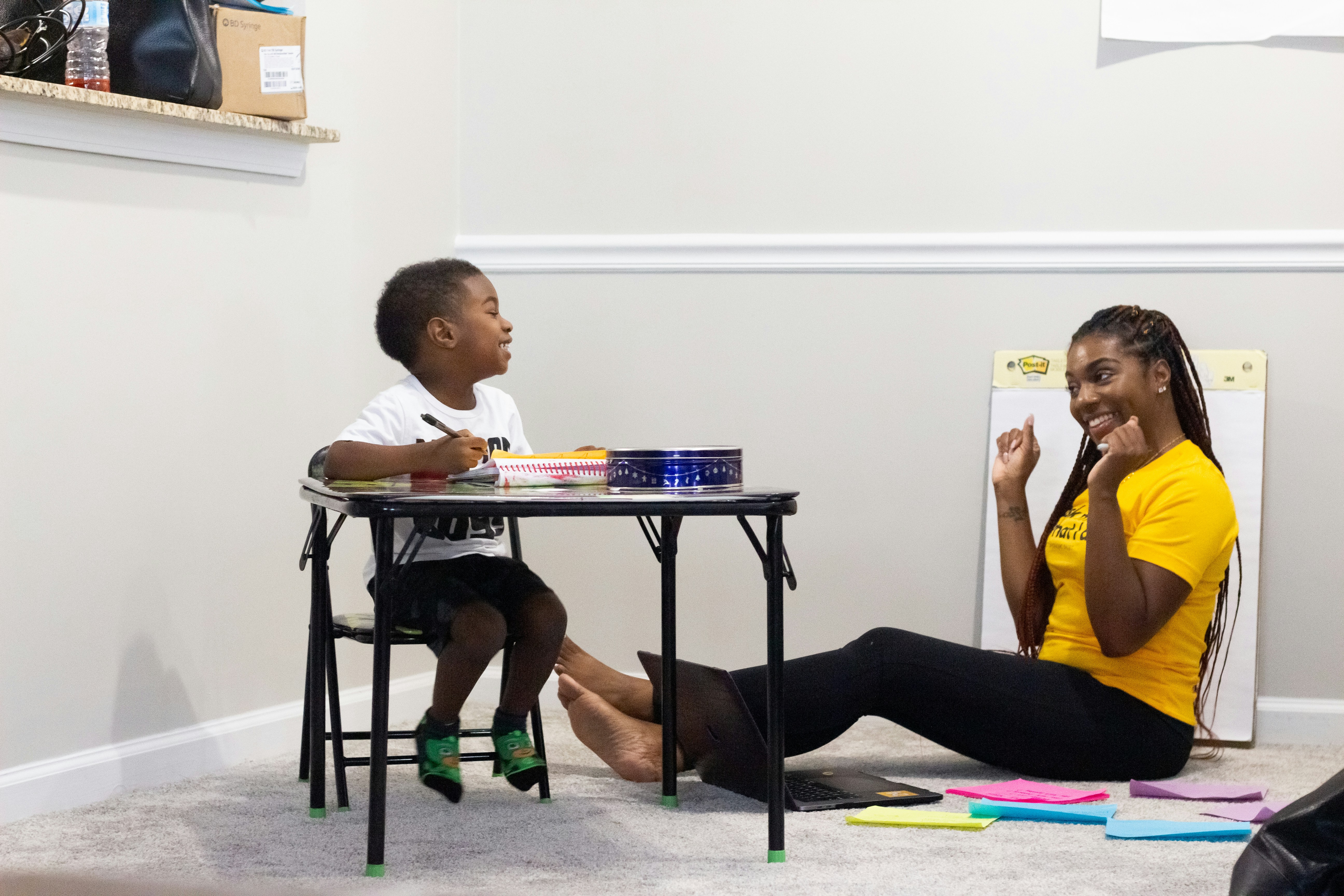
A good evaluation doesn't just test sounds in isolation. It looks at how a child communicates across contexts, with family, with peers, in structured tasks and in free play. It asks what a child is already doing well, not just what they're missing.
That starting point matters. A child who has rich receptive language and a parent who reads with them every night has a very different profile than a child who is also navigating sensory differences or limited language exposure at home. Same presenting concern, different picture entirely.
If you still are unsure as a parent or caregiver
If you've heard two or three different terms and still aren't sure what your child actually needs, that's a reasonable place to be. A free consultation can help you sort through it and figure out the right next step, without having to decode the jargon first.
Recent posts



Related Articles
Your go-to source for mental health insights, tools, and advice.